
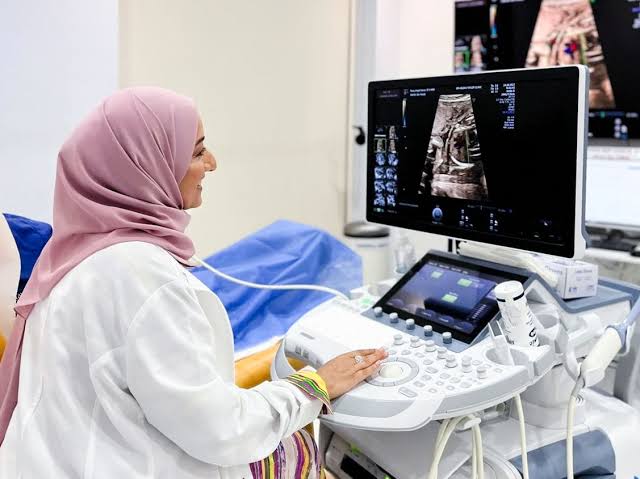
Dubai has become one of the region’s leading destinations for women’s healthcare, drawing both residents and international patients from across the Gulf, South Asia, and beyond. With dozens of hospitals offering obstetrics and gynaecology (OB-GYN) services — ranging from routine check-ups to complex high-risk pregnancy care — choosing the right provider can feel overwhelming. This guide walks through what obstetrics and gynaecology actually cover, the treatment paths available in Dubai, and the practical factors worth weighing before you commit to a hospital or specialist.
Understanding Obstetrics vs. Gynaecology
While the two fields are closely linked and often housed under the same hospital department, they cover distinct areas of women’s health.
Obstetrics focuses specifically on pregnancy, childbirth, and the period immediately following delivery. This covers everything from early pregnancy confirmation and prenatal check-ups through to labour, delivery, and postnatal recovery for both mother and newborn. Obstetric care also includes management of high-risk pregnancies, fetal monitoring, and specialised maternal-fetal medicine for pregnancies with complications.
Gynaecology, by contrast, deals with the broader reproductive health and wellness of women throughout life, independent of pregnancy. This includes routine checkups, contraception counselling, cancer screening (such as Pap smears), hormone therapy, and treatment of conditions like endometriosis, fibroids, and hormonal imbalances. Gynaecologists in the UAE typically work collaboratively with obstetricians, endocrinologists, and fertility specialists to provide holistic, ongoing care rather than treating issues in isolation.
Most major Dubai hospitals combine both specialities into a single department, meaning patients can transition seamlessly from routine gynaecological care into pregnancy management without switching providers or facilities.
What Treatment Options Are Available in Dubai?
Dubai’s OB-GYN landscape has matured considerably over the past decade, and hospitals now offer a genuinely wide range of treatment pathways:
Routine and preventive care — general check-ups, cervical and breast cancer screening, HPV vaccination, and hormone therapy form the backbone of most gynaecology departments, aimed at catching issues early rather than treating them reactively.
Prenatal and antenatal care — comprehensive pregnancy monitoring, including advanced fetal monitoring and ultrasound diagnostics, is standard across most reputable facilities, with many offering structured antenatal programmes that track a pregnancy from confirmation through to delivery.
High-risk pregnancy management — hospitals with dedicated maternal-fetal medicine specialists handle pregnancies complicated by factors such as advanced maternal age, pre-existing conditions, multiple pregnancies, or late pregnancy complications, offering closer monitoring and specialised intervention when needed.
Minimally invasive and robotic gynaecological surgery — many hospitals have moved toward laparoscopic and robotic-assisted procedures for conditions requiring surgical intervention, which generally means shorter recovery times and less post-operative discomfort compared to traditional open surgery.
Fertility support and reproductive endocrinology — for couples facing difficulty conceiving, several Dubai hospitals offer dedicated fertility care, including assisted reproduction services, working alongside reproductive endocrinologists to identify and address underlying causes.
Natural and alternative birthing options — a growing number of hospitals now offer water birthing suites and labour-delivery-recovery (LDR) rooms designed to give mothers a calmer, more personalised birthing experience alongside traditional delivery methods.
Postnatal and newborn care programmes — beyond delivery, many hospitals run structured parenthood and newborn care classes, helping new parents build practical skills and confidence in the weeks following birth.
How to Choose the Right Treatment Option
With so many hospitals and specialists competing for attention, a few practical factors can help narrow down the right choice for your specific situation.
1. Match the hospital to your specific needs. A straightforward, low-risk pregnancy may not require the same level of specialised infrastructure as a high-risk one. If you have a pre-existing condition, are expecting multiples, or are considered a higher-risk pregnancy for any reason, prioritise hospitals with dedicated maternal-fetal medicine units and 24/7 specialist availability rather than general practice-led facilities.
2. Check accreditation and quality certifications. International accreditations — such as Joint Commission International (JCI) recognition — indicate a hospital meets rigorous, internationally benchmarked healthcare standards. Some facilities also hold specific recognitions, such as Surgical Review Corporation (SRC) Centre of Excellence status for minimally invasive gynaecology, which can be a useful signal of surgical quality if you’re anticipating a procedure.
3. Consider the range of birthing options offered. If a natural, low-intervention birth experience matters to you, confirm in advance whether your chosen hospital offers water birthing suites, LDR rooms, or midwife-led care models — not all facilities do, and this is worth confirming before you’re deep into a pregnancy.
4. Evaluate the doctor-patient relationship, not just the hospital. Many patients find that the specific consultant matters more than the hospital brand — continuity of care with the same obstetrician throughout pregnancy is often cited as a key factor in patient satisfaction. Where possible, book an initial consultation to assess communication style and comfort level before committing to a full course of care.
5. Factor in location and accessibility. For regular antenatal visits, especially as pregnancy progresses, proximity to home or work can meaningfully reduce the logistical burden of frequent appointments — this is a genuinely practical consideration beyond just clinical quality.
6. Understand the cost structure upfront. Costs for maternity packages, delivery types, and gynaecological procedures vary significantly between hospitals. Many facilities offer transparent, all-inclusive maternity packages, particularly aimed at international patients, so it’s worth requesting a full cost breakdown — including potential additional charges for complications — before choosing a provider.
7. Ask about second-opinion services. Some hospitals offer free second opinions from senior gynaecologists, which can be valuable if you’re facing a significant diagnosis or considering surgery and want additional clinical perspective before proceeding.
Emerging Trends in Dubai’s Women’s Healthcare Sector
Dubai’s OB-GYN sector has continued to evolve in response to both local demand and its growing role as a medical tourism destination. Current trends shaping the sector include expansion of advanced fertility and IVF centres with integrated genetic screening, growth in dedicated high-risk pregnancy units backed by fetal medicine expertise, wider adoption of robotic-assisted minimally invasive gynaecological surgery, and the introduction of more personalised hormone therapy and wellness programmes tailored to different life stages.
This growth has also been driven partly by international patients — Dubai’s modern maternity centres increasingly attract women travelling from Saudi Arabia, Kuwait, India, Nigeria, Ethiopia, Russia, and Kazakhstan, drawn by a combination of advanced technology, cultural sensitivity, relatively short travel times within the region, and competitively packaged treatment costs compared to some Western healthcare markets.
A Note on Making This Decision
Choosing an OB-GYN provider is a genuinely personal decision, and the “best” option varies significantly depending on your individual health history, whether you’re managing a straightforward or complex case, your preferences around birthing style, and practical factors like budget and location. This article is intended as general informational guidance rather than medical advice — if you have specific health concerns, are managing an existing condition, or are unsure which type of care you need, the right first step is always a consultation with a qualified obstetrician or gynaecologist who can assess your individual circumstances directly.
FAQs — Obstetrics and Gynaecology in Dubai
Q1. What’s the difference between an obstetrician and a gynaecologist? A: An obstetrician specialises in pregnancy, childbirth, and postnatal care, while a gynaecologist focuses on broader reproductive health throughout a woman’s life, independent of pregnancy. Most doctors in Dubai are trained and practise as combined OB-GYN specialists.
Q2. How do I know if I need a high-risk pregnancy specialist? A: Factors like advanced maternal age, pre-existing medical conditions, multiple pregnancies, or complications identified during routine screening may indicate the need for a maternal-fetal medicine specialist. Your general obstetrician can advise on referral if needed.
Q3. Are water births available in Dubai? A: Yes, though not universally — a growing but still limited number of hospitals offer dedicated water birthing suites, so it’s worth confirming this directly with prospective hospitals if it’s a priority for you.
Q4. Do Dubai hospitals treat international patients? A: Yes, many major hospitals have established international patient programmes, often including travel and accommodation support, transparent package pricing, and services tailored to patients travelling from the wider region.
Q5. What should I look for in terms of hospital accreditation? A: International accreditations such as JCI recognition, and specialty-specific certifications like SRC Centre of Excellence status for minimally invasive gynaecology, are useful indicators of consistent quality and safety standards.
Q6. Can I get a second opinion before gynaecological surgery? A: Many hospitals in Dubai offer second-opinion consultations, and it’s generally a reasonable step to take before any significant surgical decision, particularly for major or elective procedures.
Related Hospitals Offering Obstetrics & Gynaecology Services in Dubai
- American Hospital Dubai — comprehensive OB-GYN department covering routine checkups, prenatal care, advanced gynaecological procedures, and fertility support
- Aster Hospitals — women’s health services spanning pregnancy, menopause, and beyond, with a focus on respectful, high-standard care
- Fakeeh University Hospital (Dubai Silicon Oasis) — known for water birthing suites, LDR rooms, robotic-assisted gynaecological surgery, and a dedicated parenthood support programme
- King’s College Hospital Dubai — obstetrics-focused care team supporting mothers through pregnancy, birth, and early newborn weeks, alongside a Dubai Marina clinic and Dubai Hills Hospital specialists
- Zulekha Hospital Dubai — JCI-accredited, with SRC Centre of Excellence recognition for minimally invasive gynaecology, offering well-woman clinics and high-risk obstetric care
- Prime Hospital Dubai — broad-spectrum women’s healthcare including high-risk pregnancy management, minimally invasive surgery, and fertility care
- Dr. Sulaiman Al Habib Hospital — patient-education-focused gynaecology clinic treating conditions like endometriosis, fibroids, and hormonal imbalances
- HMS Al Garhoud Hospital — 24/7 OB-GYN team with a strong fertility care programme within the HMS Health and Medical Services Group
- Emirates Specialty Hospital — noted for high-risk pregnancy management and advanced fetal monitoring and diagnostics